Ivermectin Dosage for Humans for Parasites

Introduction to Ivermectin

Ivermectin is an antiparasitic drug originally developed in the 1970s for veterinary uses and later approved for human use. It effectively treats infections caused by parasitic worms and external parasites such as lice and mites. Its approvals include treatment for conditions like strongyloidiasis (intestinal worm infection) and onchocerciasis (river blindness). Ivermectin is available in oral tablets, topical creams, and lotions depending on the condition treated 

Drugs.com

.

How Ivermectin Works Against Parasites

Ivermectin acts by binding to specific chloride channels (glutamate-gated chloride channels) in the nerve and muscle cells of parasites. This binding increases the permeability of the cell membranes to chloride ions, which causes paralysis and eventually death of the parasite. Importantly, this mechanism targets parasites specifically and does not affect humans significantly because ivermectin does not cross the blood-brain barrier at therapeutic doses 

Drugs.com

.

Medical Uses of Ivermectin in Humans

Ivermectin is approved for treatment of several parasitic infections, including:

Topical ivermectin formulations are also FDA-approved for rosacea (skin condition) and head lice.

Factors That Affect Ivermectin Dosage

Dosage depends primarily on:

  • Patient’s body weight

  • The type and severity of parasitic infection

  • Immune status of the patient (immunocompromised patients may require repeated doses)

Typical oral dosages:

Pediatric dosing is weight-based with safety established usually above 15 kg body weight 

Drugs.com

.

Administration and Guidelines

Ivermectin tablets are usually taken orally on an empty stomach with a full glass of water, at least 1 hour before or 2 hours after a meal to maximize absorption. Single or multiple doses are based on the infection and treatment plan. Topical forms should be applied as directed to affected skin areas.

Patients should follow the exact prescription, avoid self-medicating, and undergo follow-up stool or clinical exams to ensure infection clearance 

Drugs.com

.

Possible Side Effects and Safety Measures

Common mild side effects include:

  • Headache, dizziness, muscle aches

  • Nausea, diarrhea

  • Mild rash or skin reactions

Serious side effects, though rare, require urgent medical attention and may include:

  • Severe allergic reactions (hives, difficulty breathing, swelling)

  • Eye pain or vision changes

  • Neurological symptoms like confusion, seizures

  • Swelling, fever, or severe skin rash

Ivermectin is generally safe when taken as prescribed; patients should inform their healthcare provider of any allergies, liver or kidney issues, or immune system concerns before treatment 

Drugs.com

.

Drug Interactions and Warnings

Ivermectin can interact with some medications, such as certain antifungals, anticonvulsants, blood thinners, and immunosuppressants, potentially altering its effectiveness or side effects. Patients should disclose all medicines they are taking. Consumption of alcohol is generally discouraged during treatment due to increased risk of side effects 

Drugs.com

.

Pregnancy and breastfeeding: Ivermectin should be avoided or used with caution during pregnancy and breastfeeding as safety is not well established 

Drugs.com

.

Importantly, veterinary formulations of ivermectin intended for animals should never be used by humans, as they contain inappropriate dosages and excipients that may be harmful 

Drugs.com

.

Misuse and Risks of Self-Medication

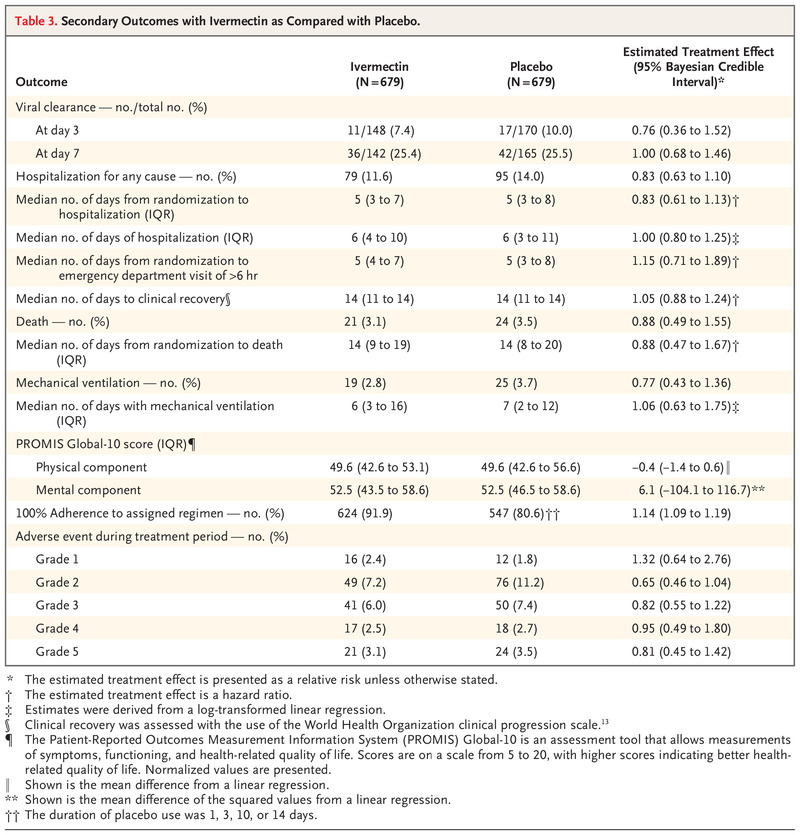
Misuse of ivermectin, especially using formulations meant for animals or unapproved dosage regimens, can cause serious adverse effects including neurological toxicity and even death. There is no FDA approval for ivermectin as a treatment or preventive for COVID-19, and using it for such purposes is unsafe and discouraged by health authorities 

Drugs.com

.

Conclusion

Ivermectin is a crucial and effective antiparasitic medication with a broad spectrum of activity against various parasites. It must be used responsibly under medical supervision, adhering to recommended dosages and treatment guidelines to ensure safety and efficacy. Avoid self-medication and consult healthcare providers for proper diagnosis and management of parasitic infections 

Drugs.com

.

Staying informed and cautious helps maximize benefits while minimizing risks associated with ivermectin treatment.

Leave a Reply

Your email address will not be published. Required fields are marked *


Math Captcha
+ 1 = 7