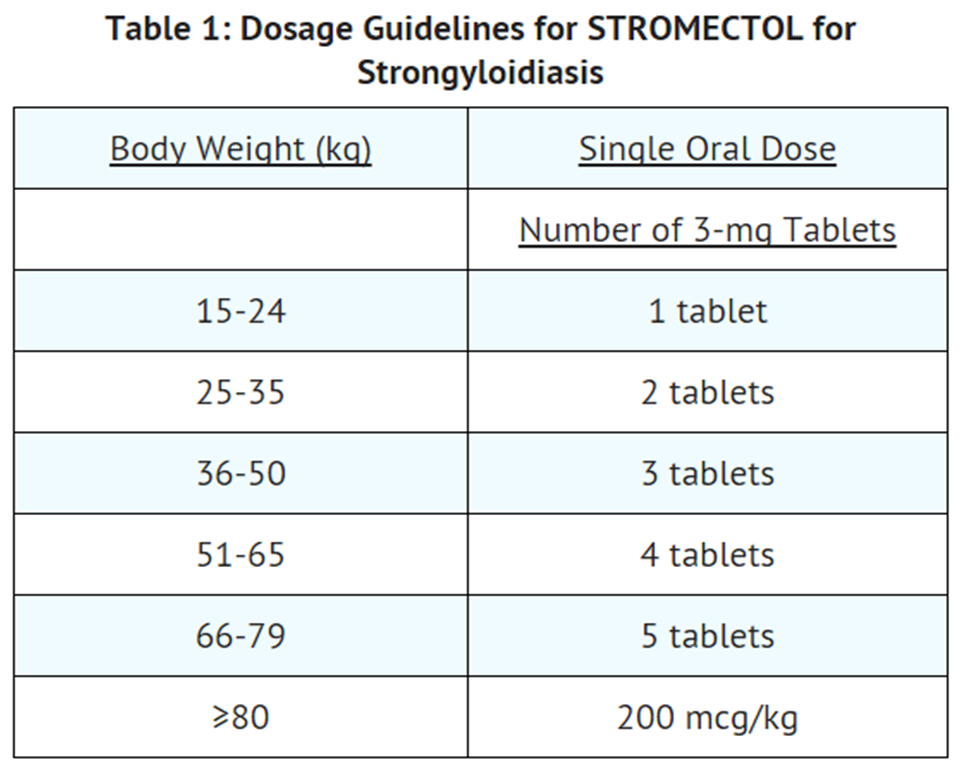
Ivermectin is a well-known antiparasitic medication used globally to treat several types of parasitic infections in humans. Although it is widely recognized, understanding the correct ivermectin dosage is crucial for ensuring safety and effectiveness. Because this medication can cause serious side effects if misused, only a licensed healthcare professional should determine the proper dose for each individual case.
What Is Ivermectin?
Ivermectin is a prescription medication that targets a range of parasites such as certain intestinal worms and external parasites like specific types of mites. It works by affecting the nervous system of the parasite, ultimately killing it or preventing it from reproducing. The drug has been part of medical treatment protocols for decades and is considered effective when used appropriately.
Why the Correct Ivermectin Dosage Matters
The appropriate ivermectin dosage depends on several factors, including the type of parasitic infection, a patient’s body weight, their medical history, and any underlying health conditions. Because each infection may require a different treatment approach, using a standard or generalized dose is unsafe. Incorrect dosing can lead to treatment failure or unwanted side effects, such as dizziness, nausea, or more serious complications.
How Healthcare Professionals Determine the Right Dosage
A doctor typically assesses several factors before prescribing ivermectin. These may include:
-
Diagnosis of the specific parasite
-
Patient’s body weight
-
Severity of the infection
-
Age and overall health profile
-
Any other medications being taken
Based on these factors, the healthcare provider will prescribe the safest and most effective ivermectin dosage for the patient’s needs.
Common Misconceptions About Ivermectin
In recent years, ivermectin has been surrounded by misinformation. It is important to note that the version made for animals is not safe for human use. Animal formulations may contain different strengths or additional ingredients that can be toxic to people. Additionally, ivermectin should never be taken without professional medical guidance, as self-medicating can lead to harmful or unpredictable side effects.
Safety Precautions and Proper Use
To use ivermectin safely, patients should always follow their healthcare provider’s instructions exactly as prescribed. It should be taken only for approved medical conditions and only in the prescribed amount. Patients should avoid adjusting their ivermectin dosage on their own, even if symptoms improve or worsen. Regular follow-up with a healthcare provider helps ensure the treatment is working as expected.
Conclusion
Ivermectin remains a valuable treatment for a variety of parasitic infections. However, determining the right ivermectin dosage is not something that can be done without medical expertise. The safest approach is always to consult a licensed healthcare professional who can provide accurate diagnosis and personalized treatment. Responsible use ensures that the medication works effectively while minimizing risks.
Trusted Medical Sources (Official URLs)
These organizations provide information on ivermectin’s approved uses, safety, and medical guidance:
-
CDC – Ivermectin Information
https://www.cdc.gov/parasites/resources/ivermectin.html -
WHO – Ivermectin for Human Use
https://www.who.int/news-room/fact-sheets/detail/soil-transmitted-helminth-infections -
FDA – Ivermectin Safety Advisory
https://www.fda.gov/consumers/consumer-updates/why-you-should-not-use-ivermectin-treat-or-prevent-covid-19
Ivermectin Dosage Factors Table (No Exact Dose Numbers)
This table helps explain how doctors decide the correct dose.
| Condition / Use | How Doctors Determine Dosage | Notes |
|---|---|---|
| Intestinal parasites | Based on patient’s body weight and parasite type | Exact dose varies per infection |
| External parasites (mites) | Weight-based, may require follow-up evaluation | Sometimes multiple treatments |
| Strongyloides infection | Depends on severity and lab results | Follow-up testing required |
| River blindness (Onchocerciasis) | Weight-based and infection severity | Long-term monitoring recommended |
| Off-label inquiries | Determined only by licensed physicians | Never self-medicate |
| Children | Dose adjusted for age + weight | Not recommended for infants under specific ages (doctor decides) |
| People with liver/kidney issues | Adjusted or avoided depending on organ function | Mandatory medical supervision |
| People on other medications | Dose adjusted due to interactions | Some drugs conflict with ivermectin |