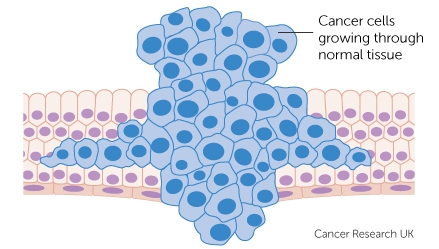
Cancer is a disease in which cells in the body begin to grow uncontrollably and may spread to other parts of the body.
Normally, healthy cells grow, divide, and die in an orderly way. When this process is disrupted, damaged or abnormal cells continue to grow and divide when they shouldn’t. These abnormal cells can form a mass of tissue called a tumor.
How Cancer Develops
-
DNA damage or mutations:
Changes (mutations) in a cell’s DNA cause it to grow and divide abnormally. -
Uncontrolled cell division:
Mutated cells multiply rapidly and lose their normal function. -
Tumor formation:
These abnormal cells can form a lump or tumor.-
Benign tumors do not invade nearby tissue or spread to other areas.
-
Malignant tumors (cancer) invade surrounding tissue and can spread.
-
-
Metastasis:
Cancer cells can break away from the original (primary) tumor, travel through the blood or lymphatic system, and form new tumors (secondary cancers) in other organs.
Types of Cancer
Cancer can start almost anywhere in the body. Common categories include:
-
Carcinomas: Begin in the skin or in the tissues that line internal organs (e.g., breast, prostate, lung).
-
Sarcomas: Begin in bone, cartilage, fat, muscle, or connective tissue.
-
Leukemias: Begin in blood-forming tissues such as the bone marrow.
-
Lymphomas and myelomas: Begin in cells of the immune system.
-
Central nervous system cancers: Begin in the brain or spinal cord.
Causes and Risk Factors
Cancer can result from a combination of genetic, environmental, and lifestyle factors. Major risk factors include:
-
Genetic mutations (inherited or acquired)
-
Tobacco use and smoking
-
Unhealthy diet, obesity, and lack of physical activity
-
Exposure to radiation or harmful chemicals
-
Certain infections (such as human papillomavirus [HPV] and hepatitis B or C)
-
Hormonal imbalances or immune system deficiencies
Symptoms
Symptoms vary depending on the type and location of the cancer but may include:
-
Unusual lumps or swelling
-
Unexplained weight loss
-
Persistent fatigue
-
Chronic pain
-
Skin changes or unusual bleeding
-
Changes in bowel or bladder habits
Diagnosis
Cancer diagnosis typically involves:
-
Physical examination and medical imaging (X-ray, CT, MRI, or ultrasound)
-
Biopsy (tissue sample examined under a microscope)
-
Laboratory tests (including blood tests and tumor markers)
-
Genetic or molecular testing to identify specific mutations
Treatment
Treatment depends on the type, stage, and genetic characteristics of the cancer, as well as the patient’s overall health. Common treatments include:
-
Surgery: Removal of the tumor or affected organ
-
Radiation therapy: Use of high-energy rays to destroy cancer cells
-
Chemotherapy: Drugs that kill or stop the growth of cancer cells
-
Targeted therapy: Drugs that block specific molecules involved in cancer growth
-
Immunotherapy: Stimulates the immune system to attack cancer cells
-
Hormone therapy: Blocks hormones that fuel certain cancers (e.g., breast or prostate)
Prevention
While not all cancers can be prevented, the risk can be significantly reduced by:
-
Avoiding tobacco and limiting alcohol use
-
Eating a diet rich in fruits, vegetables, and whole grains
-
Maintaining a healthy weight and staying physically active
-
Protecting skin from excessive sun exposure
-
Getting recommended vaccines (e.g., HPV, hepatitis B)
-
Participating in regular cancer screenings (such as mammograms, colonoscopies, and PSA tests)